
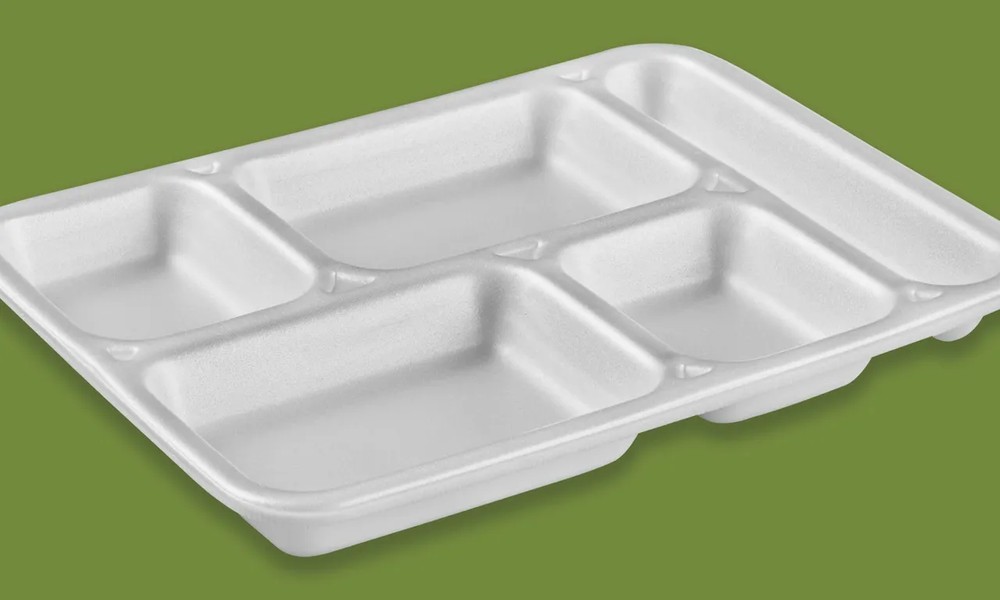
The plastic cavity tray has quietly become one of the most important packaging shifts in food manufacturing over the past decade. Where foam once dominated bakery lines, confectionery packaging, and mooncake production, a growing number of manufacturers in Singapore and the region are making the switch to moulded plastic trays, and the reasons go well beyond aesthetics.
Foam trays had a long run. They were cheap, lightweight, and easy to source. But as food safety standards tightened, consumer expectations rose, and sustainability concerns entered the conversation, the limitations of foam became impossible to overlook. Plastic cavity trays offer a cleaner, sturdier, and more versatile alternative that addresses every one of those shortcomings.
What Exactly Is a Plastic Cavity Tray
A cavity tray is a moulded plastic insert with individual compartments designed to hold products securely in place. Each cavity is shaped to cradle a specific item, whether that is a mooncake, a piece of chocolate, a pastry, or any other food product that needs protection during storage and transport.
Unlike flat trays or generic containers, plastic cavity trays are purpose-built. The depth, width, and spacing of each cavity can be customised to match the exact dimensions of the product. This precision eliminates the shifting and collisions that damage delicate items during transit.
The Problem with Foam
Foam trays have three fundamental weaknesses that make them increasingly unsuitable for modern food packaging.
Fragility
Foam cracks and crumbles under pressure. A single rough handling event during shipping can leave foam debris mixed in with the product, creating both a quality issue and a food safety concern.
Poor presentation
Foam looks cheap. For premium products like mooncakes and artisan confections, foam packaging undercuts the perceived value of what is inside the box.
Environmental pressure
Expanded polystyrene foam is notoriously difficult to recycle. With Singapore’s push toward sustainable packaging practices, businesses using foam face growing scrutiny from both regulators and environmentally conscious consumers.
Plastic cavity trays solve all three problems. They are durable enough to withstand stacking and transit. They present a clean, polished appearance that complements premium products. And many are made from recyclable materials, offering a more responsible packaging option.
Why Mooncake Producers Led the Shift
The mooncake industry was among the first sectors to embrace moulded food packaging trays on a large scale. There is a good reason for this. Mooncakes are heavy relative to their size, soft enough to dent easily, and almost always sold as gifts. The packaging is part of the product experience.
During the Mid-Autumn Festival season, bakeries and food manufacturers produce millions of mooncakes in a matter of weeks. Every unit must arrive at the customer in perfect condition. Foam trays simply could not deliver the consistency required at that volume. Cavity trays, with their snug individual compartments, reduced damage rates dramatically and gave brands the premium look they needed to justify higher price points.
As Goh Chok Tong once noted, “We must upgrade ourselves and our products to stay competitive.” For mooncake producers, upgrading meant rethinking the tray that held their product together.
Benefits Beyond Mooncakes
While mooncakes sparked the trend, the advantages of plastic cavity trays extend across the entire food manufacturing sector.
- Bakeries use them to package delicate pastries, tarts, and cookies without the items touching each other or shifting during delivery.
- Chocolate makers rely on cavity trays to present individual pralines and truffles in neat, uniform arrangements that enhance the unboxing experience.
- Health food brands package items like protein balls, granola clusters, and dried fruit assortments in compartmentalised trays that keep portions distinct and tidy.
- Festive gift set producers use food product cavity trays to arrange mixed selections of sweets and snacks into visually appealing layouts.
In every case, the cavity tray does double duty. It protects the product and elevates the presentation.
What to Consider When Choosing a Supplier
Selecting the right cavity tray supplier requires more than comparing unit prices. Here are the factors that matter most.
- Customisation capability. Your products are unique. Your trays should be too. A good supplier offers custom mould design so that each cavity fits your product precisely.
- Material quality. Food-grade plastic is non-negotiable. Ask about certifications and whether the material is suitable for direct food contact.
- Minimum order quantities. Some suppliers cater primarily to large-scale manufacturers, while others accommodate smaller runs for boutique producers and seasonal lines.
- Lead times. Festive seasons drive massive spikes in demand. A supplier that cannot deliver on time during peak periods is a liability, not a partner.
- Range of sizes. The best suppliers stock moulded plastic cavity trays in multiple configurations, giving you options for different product lines without needing entirely new moulds each time.
Making the Switch Work
Transitioning from foam to plastic cavity trays is straightforward for most operations. The key is to start with your highest-value products, the ones where presentation and protection matter most. Measure the impact on damage rates, customer feedback, and return volumes. The data will almost certainly justify expanding the switch across your full product range.
For food manufacturers still relying on foam, the question is no longer whether to make the change. It is how quickly you can make it. The plastic cavity tray has proven itself across seasons, industries, and millions of units shipped. For any business that values both product quality and customer perception, it is a small upgrade that delivers outsized results.
