
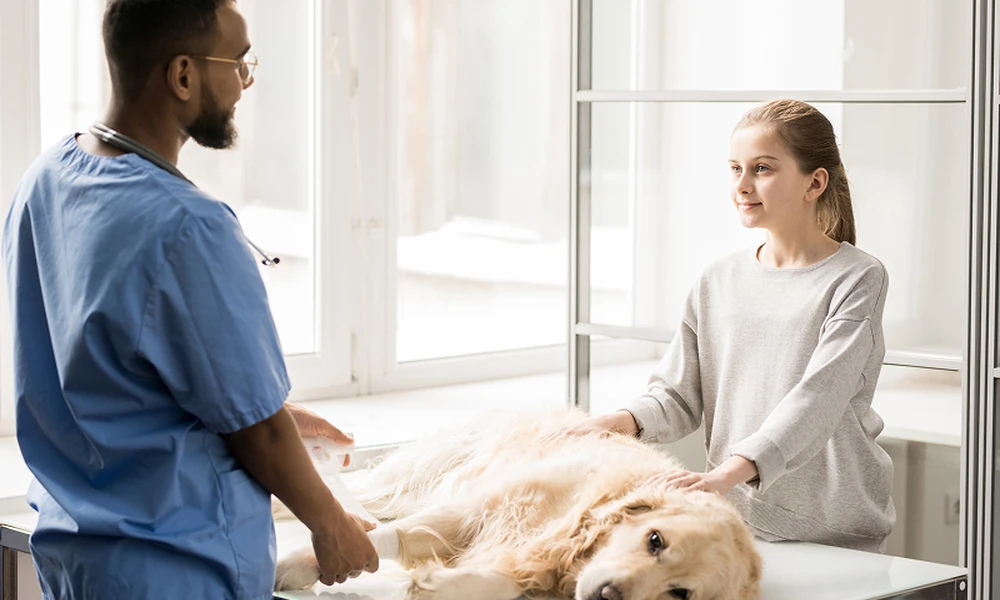
Rehabilitation can make a real difference to a dog recovering from surgery, injury or a long-term condition such as arthritis. Treatments like hydrotherapy, therapeutic exercise and dog laser therapy often work best when carried out regularly over weeks or months. However, for dogs that become fearful the moment they enter a clinic, every session can be stressful for the animal, the owner and the team. Understanding why anxiety makes rehabilitation harder, and how clinics adapt to it, can help owners prepare and stay committed to the plan.
Why Clinics Can Feel Overwhelming
Many dogs link veterinary clinics with unpleasant experiences, while others are simply sensitive to new places. Common triggers in a clinical setting include the following:
- Unfamiliar smells, including disinfectants and the scent of other animals.
- Slippery floors, examination tables and confined treatment rooms.
- Noise from equipment, other patients or busy reception areas.
- Being handled by people the dog does not know.
- Separation from the owner during parts of the visit.
- Seeing or hearing other anxious animals in the waiting area.
- Past memories of injections, procedures or a painful injury.
How Anxiety Affects Recovery
Stress does more than make a session difficult to manage. It can directly influence how well a dog responds to treatment, through effects like these:
- Tense muscles that make stretching, massage or joint movement harder.
- Reluctance to walk on underwater treadmills or enter pools.
- Raised heart rate and panting that can make it harder to judge pain levels.
- Restlessness that shortens the time available for each treatment.
- Defensive behaviour, such as growling or snapping, which raises safety concerns.
- Fewer completed sessions if visits become too difficult for the owner to keep up.
Building Trust Step by Step
A rehabilitation vet working with anxious dogs will usually focus on helping the dog feel safe before attempting full treatment. This process often involves techniques such as these:
- Short “happy visits” where the dog explores the clinic and receives treats without any treatment.
- Gradual introduction to equipment, starting with sounds and smells before contact.
- Allowing the dog to approach staff in its own time rather than being restrained.
- Keeping the same team members for each session where possible.
- Using low-stress handling methods and watching closely for body language signs of fear.
Adapting the Environment and Schedule
Small changes to the setting can make sessions more manageable. Clinics may offer adjustments like these:
- Booking appointments at quieter times of the day.
- Letting dogs wait in the car rather than in a busy reception area.
- Placing non-slip mats, familiar bedding or toys in the treatment room.
- Shortening sessions and breaking treatments into smaller steps.
- Offering home visits or outdoor sessions where the clinic provides them.
- Using calming pheromone diffusers or soft background sounds.
Adjusting the Treatments Themselves
Some therapies may need to be modified or reordered for anxious patients. Common approaches include the following:
- Starting with gentler treatments, such as massage or laser therapy, before introducing hydrotherapy.
- Teaching home exercises that owners can carry out in a familiar environment.
- Discussing anti-anxiety medication with the vet for dogs with severe fear, where appropriate.
- Reviewing progress regularly and adjusting the plan if stress levels remain high.
The Owner’s Role
Owners play a large part in helping anxious dogs cope. Practising calm handling at home, rewarding relaxed behaviour and staying composed during visits can all help your dog settle. Sharing what your dog likes, dislikes and finds stressful also helps the clinic plan each session.
Progress at the Dog’s Pace
Rehabilitation for anxious dogs often takes longer at the start, but patience in the early stages can lead to more productive sessions later. By working with the clinic to reduce stress, adjust treatments and build trust over time, owners can give their dogs a better chance of completing their recovery plan.
Speak with Bluewater Vet Acupuncture & Rehabilitation about a rehabilitation plan paced for your anxious dog.
