
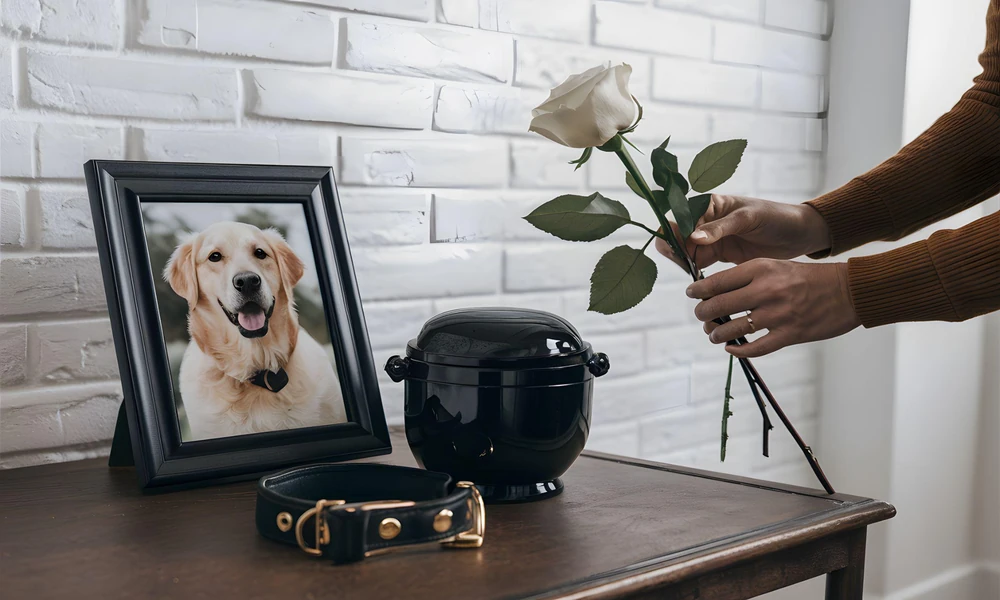
Once a pet passes away, owners are faced with a decision about how to lay their companion to rest. After all, for many years, the choice was mainly between burial and flame-based cremation. Today, water cremation has emerged as a further option, and families arranging pet cremation in Singapore may come across it when comparing providers. Each method handles a pet’s remains differently, and understanding these differences can help owners choose an approach that suits their values, circumstances and wishes.
Traditional Flame Cremation
Traditional cremation is the most familiar option for pet owners and is widely offered. The process generally involves the following:
- Placing the pet in a cremation chamber where high heat reduces the body to bone fragments.
- Processing the bone fragments into a fine, light grey powder, commonly referred to as ashes.
- A choice between private cremation, where only one pet is in the chamber, and communal cremation, where several pets are cremated together.
- An option for families to witness the cremation, depending on the provider.
- A turnaround of one to a few days before the ashes are returned to the family.
- Removal of collars and toys beforehand, unless the provider allows small items to be included.
Burial
Burial allows a pet to be laid to rest in the ground, which some families find meaningful. In Singapore, however, it comes with practical limitations, including these:
- Burying pets on public land, such as parks or common areas, is generally not permitted.
- Dedicated pet cemeteries are scarce, so some families arrange burial at overseas sites.
- Burial in landed property gardens may not be practical due to limited space and possible future sale of the home.
- Remains cannot easily be moved if the family relocates.
- Soil and drainage conditions may limit where a burial is possible.
Water Cremation
Water cremation in Singapore is a newer service that is offered by a smaller number of providers. Also known as aquamation or alkaline hydrolysis, it uses a different process from flame cremation, with these key features:
- The pet is placed in a stainless steel vessel filled with water and an alkaline solution.
- Gentle heat and circulation break down the soft tissues over several hours.
- The remaining bone is dried and processed into a fine powder that is returned to the family.
- The resulting liquid is treated before it is released, in line with local regulations.
Comparing the Three Options
Beyond the process itself, the three methods differ in ways that may influence a family’s decision. The comparison below highlights some of these differences:
| Factor | Traditional Cremation | Burial | Water Cremation |
| Time required | Usually a few hours | Depends on site and arrangements | Often longer, sometimes overnight |
| Environmental impact | Uses fuel and produces emissions | Uses land and may involve non-biodegradable caskets | Uses less energy and produces no direct emissions |
| Remains returned | Ashes that can be kept, scattered or placed in a memorial niche | No remains returned, with a grave to visit instead | Usually a larger volume of powder than flame cremation |
| Keepsake options | Urns, jewellery and other ash-based memorials | Grave markers and headstones | Similar options to cremation ashes |
| Relative cost | Moderate | Can be higher where a plot must be purchased | Often comparable to or higher than private cremation |
Weighing Personal and Cultural Preferences
The right choice is often shaped by more than practicality. Remember, before deciding, families may want to reflect on considerations such as these:
- Religious or cultural beliefs about how remains should be handled.
- Whether the family wishes to keep the remains at home or visit a resting place.
- The importance of environmental impact to the household.
Finding the Right Farewell
Traditional cremation, burial and water cremation each offer a respectful way to say goodbye. Understanding how they differ in process, time, environmental impact and what remains afterwards helps families make a choice that honours their pet.
Get in touch with us to learn more about our water cremation and traditional cremation services.
