
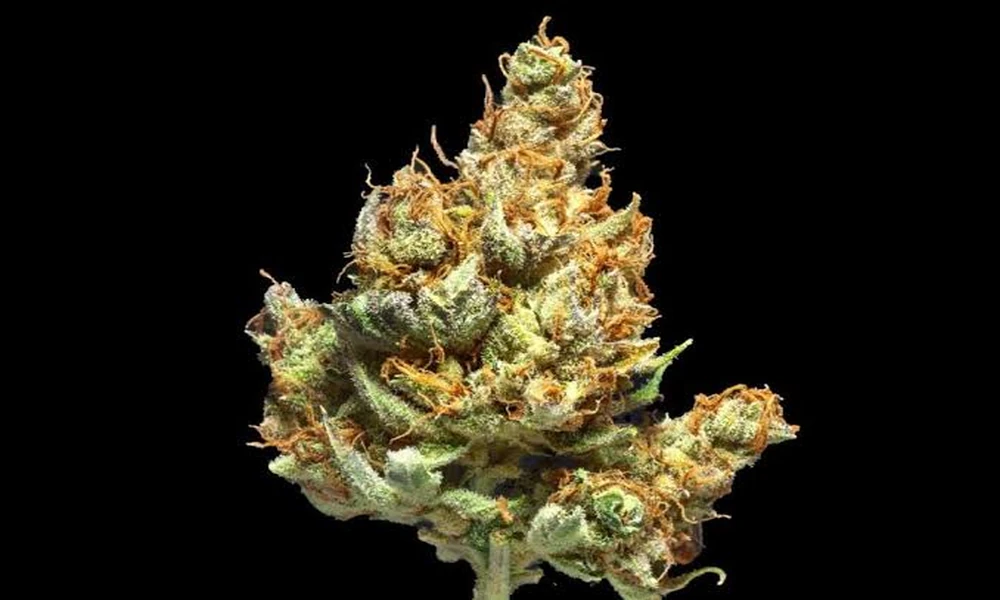
Asking the right questions before ordering THCA flower protects buyers from inconsistent quality, undisclosed storage conditions, and compliance gaps that become apparent only after a purchase has been completed. Vendors who supply reliable flowers welcome scrutiny and provide complete documentation without hesitation or delay at any stage of the enquiry process. Four questions cover the areas where undisclosed information most commonly affects product quality and legal compliance for buyers ordering across state lines. Applying these questions consistently across multiple suppliers gives a clear basis for comparison that extends beyond price and product presentation alone. Sourcing the best thca flower starts with accountability at the vendor level before any order is confirmed or payment is processed.
1. Lab report access
Request a current certificate of analysis issued by an accredited third-party laboratory for the exact batch listed for purchase. The report must display THCA potency, total cannabinoid content, and federal hemp compliance confirmation with a batch number matching the available inventory. Vendors who cannot produce batch-matched documentation or who share reports older than six months provide insufficient assurance of product quality and compliance for the buyer. A reliable supplier presents this information without prompting at the point of initial enquiry before any order is placed.
2. Harvest cure date
Ask for the harvest date and curing duration before confirming any order with a vendor. THCA flower reaches peak terpene expression when cured for a minimum of two to four weeks under controlled humidity conditions following the harvest cycle. Vendors unable to provide harvest or cure dates may be moving aged inventory that has lost potency, aroma integrity, and structural quality since the time of production. Documented production timelines reflect a supply chain with consistent standards maintained from cultivation through to final fulfilment.
3. Storage fulfilment methods
Ask how the flowers are stored between harvest completion and shipment, including temperature and humidity control specifications maintained at the facility. Flowers stored outside the 55 to 62 per cent relative humidity range degrade faster, losing trichome integrity and terpene content before reaching the buyer at the destination. Vendors operating climate-controlled fulfilment environments protect flower quality throughout the entire distribution process from storage through final delivery. Storage method directly determines the condition of the product upon arrival, regardless of its quality at the point of harvest and initial packaging.
4. Return compliance policy
Ask for the vendor’s return policy covering quality disputes and compliance documentation for interstate shipment before placing an order. A reliable supplier provides a clear return process for flowers arriving damaged, mislabelled, or outside the stated potency range confirmed by the certificate of analysis provided. Compliance documentation confirming federal hemp status protects buyers from legal ambiguity during transit across multiple state lines. Vendors who decline to provide either return terms or compliance paperwork present a purchasing risk that prior documentation review would have identified before any commitment was made.
Applying these four questions consistently before ordering establishes a reliable standard for vendor selection across all purchasing decisions. Documentation access, production transparency, storage practices, and compliance policy together determine whether a supplier operates at a level that supports consistent flower quality across repeated orders over time.
