
Essential Details
- In Vajrayana Buddhism, teachings pass directly from teacher to student rather than a book.
- Titles like Rinpoche, Geshe, and Lama each reflect years of formal, recognised training earned.
- Students are traditionally encouraged to observe a teacher carefully before formally committing.
- Meeting a Rinpoche in Singapore is often just a plain conversation, not a big formal step.
Starting Your Spiritual Journey Here
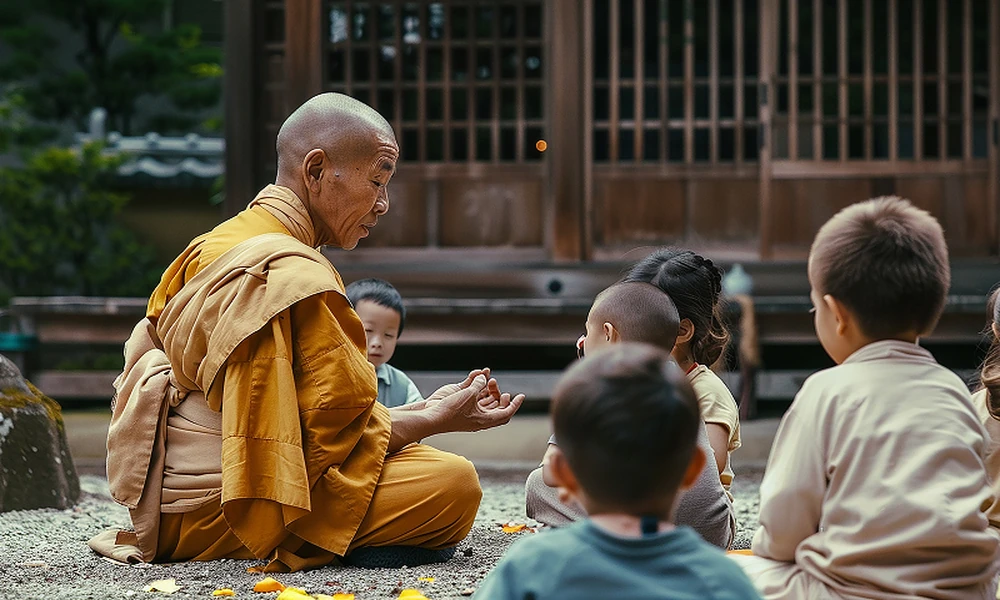
In Vajrayana Buddhism, the relationship between a teacher and a student carries more weight than in many other paths – it’s less like attending a class and more like apprenticing under someone who has already walked the road you’re setting out on. Meeting a Rinpoche in Singapore is often how that relationship begins for local practitioners, whether through a scheduled teaching, a public talk, or simply sitting in during a regular practice session. What starts as curiosity tends to deepen over time, provided both sides approach it with the right expectations from the outset, rather than treating the first meeting as a formal commitment.
Titles You’ll Come Across
Vajrayana Buddhism uses a handful of titles for teachers, and knowing the difference helps make sense of who’s who at a temple:
| Title | Meaning | Typical Role |
| Rinpoche | “Precious one” – often a recognised reincarnate teacher | Senior spiritual guide, gives teachings and empowerments |
| Geshe | A formal academic degree in Tibetan Buddhist philosophy | Teaches doctrine and textual study |
| Lama | General term for a teacher or spiritual guide | Leads practice, gives guidance to students |
| Venerable | Used for ordained monks and nuns | Supports the community, may teach or lead ceremonies |
None of these titles are handed out casually – each usually reflects years of formal training and recognition within the tradition.
Why the Relationship Matters So Much in This Tradition
Vajrayana practice relies heavily on transmission – teachings and practices passed directly from teacher to student rather than picked up independently from texts. This is partly why the relationship carries so much weight; a teacher isn’t just explaining ideas, they’re guiding someone through practices that are meant to be received in person.
For someone based locally, connecting with a Rinpoche in Singapore removes a lot of the logistical barriers that would otherwise come with studying under a teacher based overseas. Regular contact, ongoing questions, and consistent guidance become far more realistic when the relationship doesn’t depend on periodic visits.
What to Look for When Choosing a Teacher
Traditional guidance within Vajrayana Buddhism actually encourages students to take their time before formally committing to a teacher, rather than treating the first meeting as a decision already made. A few things are worth observing first:
- How the teacher conducts themselves outside of formal teaching settings.
- Whether their explanations line up with established texts and lineage.
- How they respond to questions, including difficult or sceptical ones.
- Whether the relationship feels like genuine guidance rather than pressure.
This period of observation isn’t a lack of respect – it’s actually part of the tradition itself, and most experienced teachers expect and welcome it.
Meeting a Rinpoche in Singapore
Singha Rinpoche, the spiritual director of Thekchen Choling, has been guiding students in Singapore since the temple’s early days as a small Dharma centre. Teachings, blessings, and public talks are held regularly, giving newer practitioners a chance to observe and ask questions before deciding whether to take the relationship further. For many people, that first meeting is less dramatic than expected – usually just a conversation, a question answered plainly, and an invitation to come back and sit in again. There’s rarely any pressure to commit on the spot, which tends to put newcomers more at ease.
Building a Lasting Spiritual Bond
The teacher-student relationship at the heart of this tradition isn’t built in a single meeting. It develops gradually, through repeated contact, honest questions, and enough time to see whether the guidance on offer actually fits where you’re at. There’s no obligation to commit early, and most teachers would rather a student take their time than rush into something they’re not ready for, since a relationship built too quickly tends to be a shaky one.
Contact Thekchen Choling to learn more about attending a teaching or connecting with a teacher here in Singapore.
