
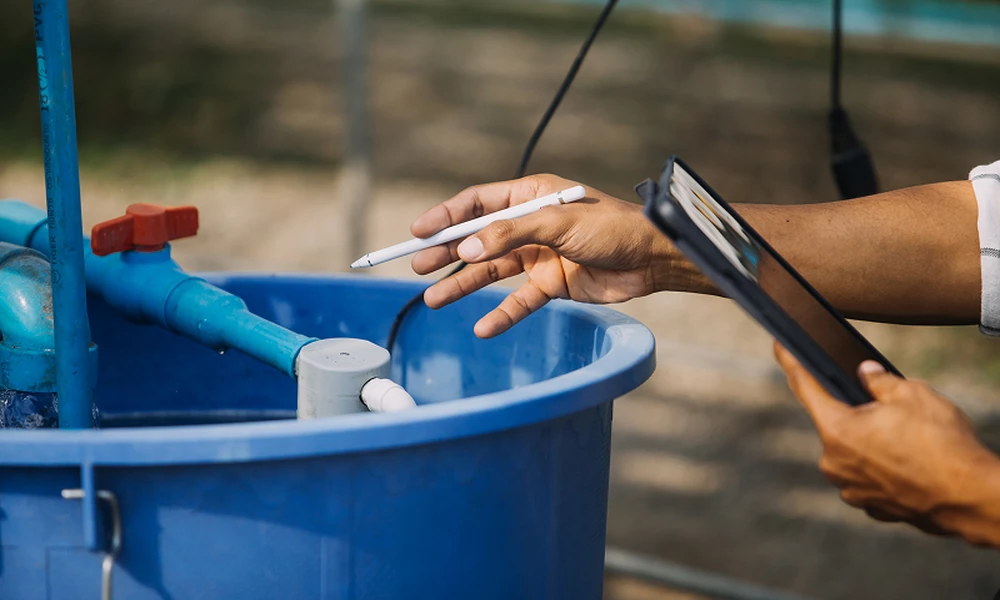
Local Knowledge Makes Every Drop Count
- Local knowledge helps charities design water projects that meet the real needs of communities.
- Training residents to manage and repair water systems helps prevent service disruptions.
- Hygiene education and proper sanitation protect water sources and reduce the spread of disease.
- Singapore humanitarian aid can support immediate relief while helping communities prepare for future challenges.
When Communities Help Build A Lasting Water Supply
A new well or water pump can change daily life for a family. Yet its long-term value depends on more than the equipment itself. Who will maintain it? Will the water source remain safe during heavy rain? Can residents access spare parts when something breaks?
Local communities often understand these challenges better than anyone else. Their knowledge of the land, weather, daily routines and shared needs can help charities create water projects that work in practice, not just on paper.
For a clean water charity, listening to residents is an important step towards lasting results. When combined with technical expertise and sustained support, local knowledge can help make safe water more reliable for children and families.
Why Does Local Knowledge Matter In Clean Water Projects?
Every community faces different challenges. Some have limited groundwater supplies, while others rely on rivers or wells that become contaminated during floods. In remote areas, difficult terrain may also make construction and repairs more costly.
Residents can help identify suitable sites, explain seasonal changes in water availability and highlight barriers that outside teams might overlook. Their input can also reveal whether a proposed water point is easy to reach for children, older people and people with disabilities.
These insights help charities make better decisions before construction begins. They can reduce the risk of installing facilities that are difficult to use or maintain.
Local involvement also encourages trust. When residents have a say in decisions that affect their lives, they are more likely to understand the project’s purpose and take part in protecting the water supply.
How Can Communities Keep Water Systems Working For Years?
Even well-built water systems need regular care. Pumps wear out, pipes leak, and storage tanks require cleaning. Without a clear maintenance plan, small faults can become major problems.
Training residents to inspect equipment, recognise common faults and arrange repairs can help reduce downtime. Community water committees may also help organise maintenance schedules, manage shared responsibilities and raise funds for spare parts where suitable.
A practical approach includes four key steps:
- Assess local needs: Ask residents about existing water sources, seasonal shortages and access barriers.
- Build local skills: Train community members to operate equipment, carry out basic maintenance and identify safety concerns.
- Set shared responsibilities: Agree on who will inspect facilities, report faults and arrange repairs.
- Monitor water quality: Establish suitable checks and safe handling practices to help protect households from contamination.
These steps help communities take an active role in managing their water supply. They also make it easier to spot problems early, before families have to return to unsafe sources.
What Role Do Sanitation And Hygiene Play In Sustainable Water Access?
Clean water infrastructure cannot protect health on its own. Poor sanitation, unsafe storage and limited handwashing facilities can still expose families to harmful germs.
That is why water projects should work alongside sanitation facilities and hygiene education. Residents need practical guidance on keeping containers clean, washing their hands with soap and protecting water sources from waste.
Local knowledge makes this education more useful. Community members can help explain which habits fit their daily routines, which facilities people can access and what prevents families from following safe practices.
Schools and community groups can also help children share what they learn at home. Over time, these habits can support healthier households and reduce the risk of waterborne illness.
A clean water charity that considers infrastructure, sanitation and hygiene together can address several related challenges rather than treating water access as an isolated issue.
How Can Singapore Humanitarian Aid Support Community-Led Solutions?
Singapore humanitarian aid can help provide essential supplies during disasters and support recovery once immediate danger has passed. Floods, earthquakes and conflict can damage water networks, contaminate wells and force families to leave their homes.
During emergencies, communities may need safe drinking water, hygiene kits and temporary sanitation facilities. As conditions improve, support can help restore water systems, strengthen local skills and prepare residents for future disruptions.
A reliable foundation’s crisis and disaster response work includes emergency water and hygiene support, as well as longer-term recovery and community preparedness. Its clean water programmes also focus on water infrastructure, sanitation, hygiene education and helping communities maintain their systems.
Donors can support these efforts by learning how aid programmes involve residents, address children’s needs and report on their results. Giving that supports both immediate relief and longer-term recovery can help communities rebuild essential services with greater confidence.
Stronger Communities, More Reliable Water
Sustainable water access depends on more than wells, pipes and pumps. It requires an understanding of local needs, practical maintenance skills and shared responsibility for protecting water sources.
When a clean water charity works alongside communities, projects are better placed to meet everyday needs and withstand future challenges. With thoughtful Singapore humanitarian aid, donors can help children and families gain access to safe water while supporting the knowledge needed to keep it flowing.
Contact us at World Vision International Singapore to learn how your support can help children and families affected by crises and disasters.
