
Key Highlights
- A transparent discussion about risks allows patients to set realistic expectations for their recovery and long-term physical capabilities.
- Understanding the specific complications associated with spinal procedures helps in creating a more effective post-operative safety plan.
- Expert consultations provide clarity on how modern technology has significantly reduced the risks of traditional spinal interventions.
- Engaging with a specialist ensures that non-surgical alternatives are fully explored before committing to any invasive procedure.
Introduction
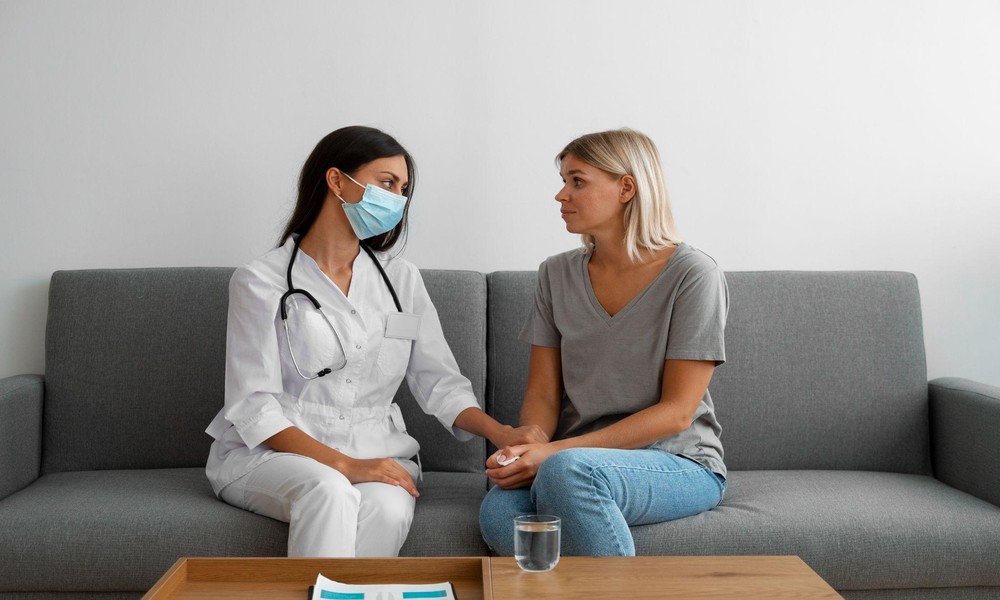
Deciding on spinal treatment is one of the most significant health choices an individual can face. Whether you are dealing with chronic pain or a progressive deformity, the prospect of intervention can be both hopeful and daunting. While many focus solely on the potential benefits, a truly successful outcome is rooted in a deep understanding of the associated risks. This is why a thorough consultation with a qualified back problem doctor is indispensable.
Demystifying the Risks of Spinal Intervention
When patients hear about the potential risks of surgery, the natural reaction is often fear. A specialist provides the necessary context to turn vague anxieties into manageable facts. By demystifying these possibilities, a back problem doctor helps you understand the statistical likelihood of complications in your specific case. This transparency is the foundation of trust between a patient and their medical team, ensuring that you are not walking into a procedure with a blindfold on, but with a clear-sighted view of the road ahead.
The Importance of Realistic Clinical Outcomes
Sometimes, patients view scoliosis surgery as a “cure-all” that will return their spine to a perfect, pre-condition state. While modern-day surgery is incredibly effective at stopping progression and improving alignment, there are always trade-offs, such as a reduction in spinal flexibility in the fused segments. Discussing these permanent changes as a risk to your current lifestyle is essential.
Technological Advancements in Surgical Precision
During your consultation, your back problem doctor can explain how these tools are used to protect your nerves and ensure the precise placement of any hardware. Understanding the safety net that modern technology provides can be incredibly reassuring. This level of detail highlights the difference between a general surgical approach and a highly specialised, tech-driven plan.
Navigating the Emotional Weight of Surgical Decisions
The risk of emotional stress during a long recovery is a real factor that needs to be addressed. A comprehensive consultation involves discussing the mental and emotional support you might need before and after the operation. A specialist can provide insights into the typical recovery curve, including the periods of fatigue or frustration that many patients experience. By preparing for the mental challenges of scoliosis surgery, you are less likely to be overwhelmed when they occur.
Post-Operative Recovery and Lifestyle Transitions
A detailed consultation will outline the risks of non-compliance with post-operative instructions. Your doctor will help you understand that your role in managing these risks is just as important as the surgeon’s role during the operation. This partnership approach empowers you to take ownership of your recovery, knowing that your daily choices directly influence the long-term safety and stability of your spine.
The Value of Multidisciplinary Risk Assessment
In complex cases, the assessment of risk often involves more than just a single surgeon. It may include anaesthetists, physiotherapists, and pain management experts. Discussing how these different specialists work together to manage your safety provides a much broader perspective on the quality of care you will receive. When you see the level of preparation and the number of experts involved in your safety, the perceived risk often feels much more controlled and balanced against the potential for a life-changing positive outcome.
Informed Consent as a Partnership Tool
Informed consent is a clinical practice that places the patient at the centre of the decision-making process. It is the culmination of all your discussions regarding treatment options and their potential downsides. When you sign a consent form after a thorough consultation with a back problem doctor, it represents a mutual agreement on the best path forward. This final step of the consultation process ensures that you feel respected as a partner in your own healthcare.
Conclusion
Consulting with a specialist about the risks of spinal treatment is a sign of a proactive and responsible patient. By having open and honest conversations about everything from surgical complications to lifestyle changes, you ensure that your path to recovery is built on a foundation of reality. Whether you are considering non-surgical interventions or preparing for scoliosis surgery, knowing the potential challenges allows you to prepare effectively and stay focused on the end goal. Taking the time to understand the risks today is the best way to secure a successful, stable, and pain-free tomorrow for your spine.
To have a transparent and expert discussion about your spinal treatment options and their associated risks, reach out to Achieve Spine & Orthopaedic Centre to book a consultation today.
