
Key Takeaways
- Active noise control improves focus during long or crowded commutes.
- Usage benefits vary depending on environment and daily routine.
- Comfort and battery life affect long-term value more than price alone.
Introduction
Deciding when to use noise-cancelling headphones in Singapore often comes down to how daily environments affect concentration and comfort, particularly during commutes and shared workspaces. The steady rhythm of MRT travel, combined with background conversations and mechanical noise, creates a sound profile that many commuters learn to tolerate rather than manage. As work patterns shift between office and remote settings, audio control has become part of maintaining productivity and mental clarity. Understanding when these headphones add real value helps users avoid unnecessary purchases while making better use of the technology when it matters most.
1. During Peak-Hour MRT Commutes
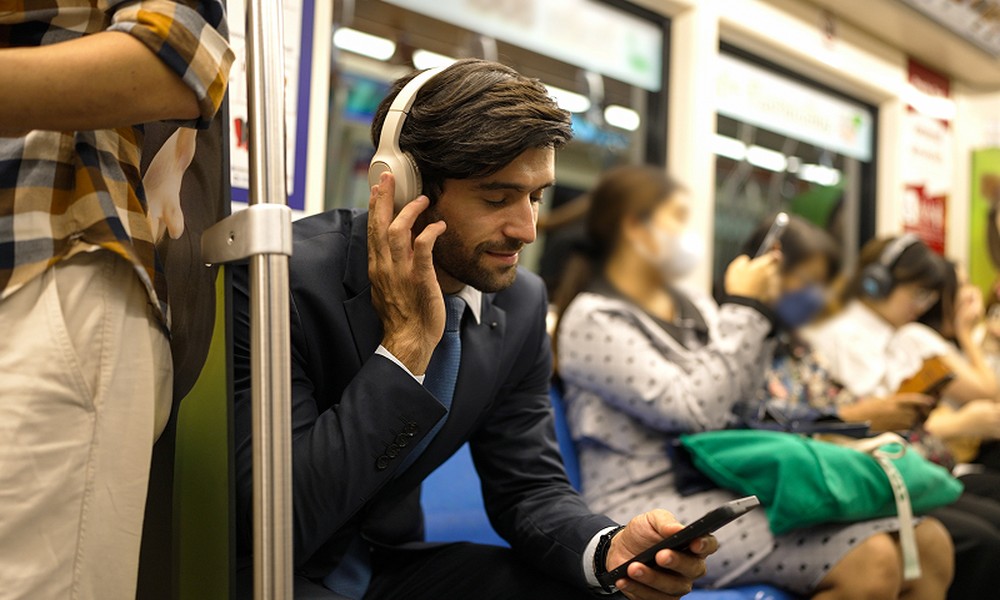
Morning and evening travel periods bring consistent crowd density, which increases background noise from conversations, train movement, and station announcements. In these conditions, active noise control helps reduce the intensity of repetitive sounds without requiring high playback volumes. This allows commuters to listen to audio content more clearly while maintaining awareness of important announcements. Over time, reducing exposure to constant noise can make daily travel feel less draining, especially for those who spend extended periods on public transport.
2. In Open-Plan Office Environments
Shared office spaces often introduce unpredictable noise, ranging from casual discussions to ongoing calls. While some level of sound supports collaboration, excessive noise can interrupt focus during tasks that require sustained attention. Using noise-cancelling headphones helps create a more controlled listening environment, allowing users to maintain concentration without leaving their workspace. This approach supports productivity without isolating individuals completely, as many devices still allow selective awareness of surrounding sounds when needed.
3. While Working in Public Spaces
Cafes and co-working areas provide flexibility but also bring varied sound levels that change throughout the day. Background music, conversations, and movement can shift unpredictably, which makes it difficult to maintain consistent focus. Noise-cancelling headphones help stabilise the listening environment, enabling users to continue working without reacting to each change in noise. This consistency supports longer work sessions and reduces the need to relocate when surroundings become louder.
READ MORE: Upgrading to QuietComfort Ultra Gen 2? Here’s What You Need to Know
4. On Longer Bus or Rail Journeys
Extended travel times increase exposure to continuous low-frequency sounds such as engine noise and track vibrations. These sounds may not seem disruptive at first, yet they can contribute to fatigue over longer durations. Noise-cancelling headphones reduce these background frequencies, which helps create a quieter environment for rest or focused listening. For commuters who travel across multiple districts, this reduction in ambient noise can improve overall comfort during the journey.
5. During Short Breaks in Busy Areas
Urban environments often lack quiet spaces, especially in central districts where activity remains constant throughout the day. Using noise-cancelling headphones during short breaks allows individuals to step away from surrounding noise without changing location. This creates a brief period of mental separation, which can help reset focus before returning to work or travel. Even short intervals of reduced noise can contribute to a more balanced daily routine.
6. When Managing Audio Fatigue
Repeated exposure to moderate noise levels can lead to gradual fatigue, even when the sound does not seem intrusive. Over time, this can affect how individuals respond to additional stimuli, making it harder to concentrate. Noise-cancelling headphones help lower the baseline level of environmental sound, which reduces the effort required to process surrounding noise. This supports clearer thinking during tasks that require attention and reduces the strain associated with constant background activity.
Conclusion
Noise-cancelling headphones serve a practical role when daily environments introduce consistent or unpredictable noise that affects comfort and focus. Their value depends less on occasional use and more on how frequently individuals encounter situations where sound control improves the experience. By recognising these moments, users can decide when the investment aligns with their routine and when simpler solutions may suffice.
Contact One Futureworld to explore noise-cancelling headphones in Singapore suited to your daily commute and work needs.
